
Polypropylene Sheets: Uses, Benefits and Custom Fabrication
 August 20, 2026
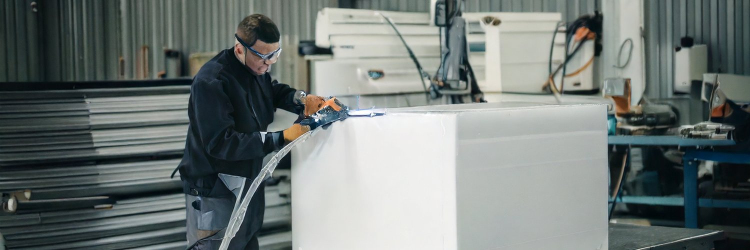
When engineers look for alternatives to metal in tanks, liners, containment systems, and chemical-processing equipment, polypropylene sheet is frequently part of the conversation.
It does not replace stainless steel in every application. Its value comes from solving a different set of problems.
Polypropylene combines chemical and moisture resistance with low density and the ability to be welded, machined, bent, and fabricated into custom structures. In applications involving water, chemicals, corrosion, or repeated exposure to moisture, those properties can make polypropylene a practical alternative to metal.
But successful polypropylene fabrication requires more than selecting a sheet thickness and welding the seams. Grade, temperature, chemical exposure, structural support, UV exposure, weld design, and fabrication method can affect how the finished component performs.
Why Fabricators Use Polypropylene Sheet
Polypropylene is used extensively in industrial applications because it resists moisture and a broad range of chemicals.
Polypropylene "resists most acids, bases, and solvents." Chemical compatibility varies by concentration, temperature, grade, and exposure.
Polypropylene does not absorb moisture, making it particularly useful for components that operate in wet environments. It can also be welded, allowing fabricators to build three-dimensional tanks, liners, ducts, enclosures, baffles, and containment systems from flat sheet.
For tanks and containment, the sheet is only part of the equation. The joints and welds have to perform too.

Homopolymer vs. Copolymer Polypropylene
Not all polypropylene sheet is identical. Homopolymer polypropylene is generally more rigid, while copolymer polypropylene can provide better impact performance, particularly under colder conditions.
The correct grade should be selected based on the actual service environment rather than treating polypropylene as a single material specification. Temperature, impact, chemical exposure, structural load, sanitation requirements, and other application-specific factors can influence the decision.
Where Polypropylene Sheet Is Used
Fabricated polypropylene can be found in:
- Tanks and tank components
- Tank liners
- Secondary containment basins
- Baffles
- Water and wastewater treatment equipment
- Chemical-processing components
- Fume hood components
- Ductwork
- Guards and enclosures
- Food-processing equipment
- Custom OEM components
Polypropylene works well in these applications because it can be cut, machined, bent and welded into equipment built for the process rather than used only as flat sheet.
Polypropylene vs. Stainless Steel
Polypropylene and stainless steel should not be viewed as universally interchangeable materials. Metal offers structural characteristics that polypropylene cannot duplicate. Polypropylene, however, can eliminate concerns about metal corrosion in certain wet and chemical environments.
It can therefore make sense to evaluate polypropylene when a metal component is experiencing corrosion, becoming difficult to maintain, or being exposed to a process environment better suited to plastic.
Polypropylene can "cost less to fabricate at scale" and can provide "lower long-term maintenance cost."
A metal-to-plastic conversion should evaluate the complete application, including loads, operating temperature, chemical compatibility, support requirements, tolerances, fastening, and expected service life.
Two Polypropylene Design Issues That Are Easy to Overlook
UV Exposure
Unstabilized polypropylene can degrade during sustained outdoor UV exposure. Outdoor applications may therefore require a material specifically selected for UV exposure or another protection strategy.
For outdoor applications and weather, Midland’s preferred recommendation is a UV-stabilized polypropylene.
Creep Under Sustained Load
Polypropylene can deform gradually when subjected to sustained loads. That means a large unsupported panel should not automatically be designed like an equivalent metal panel.
Ribs, supports, geometry, material thickness, and overall component design can affect long-term performance. That is why a metal part usually should not be copied exactly in polypropylene without reviewing the design first.
Large flat surfaces need to be evaluated for support geometry based on load and temperature applications.
How Polypropylene Sheet Is Fabricated
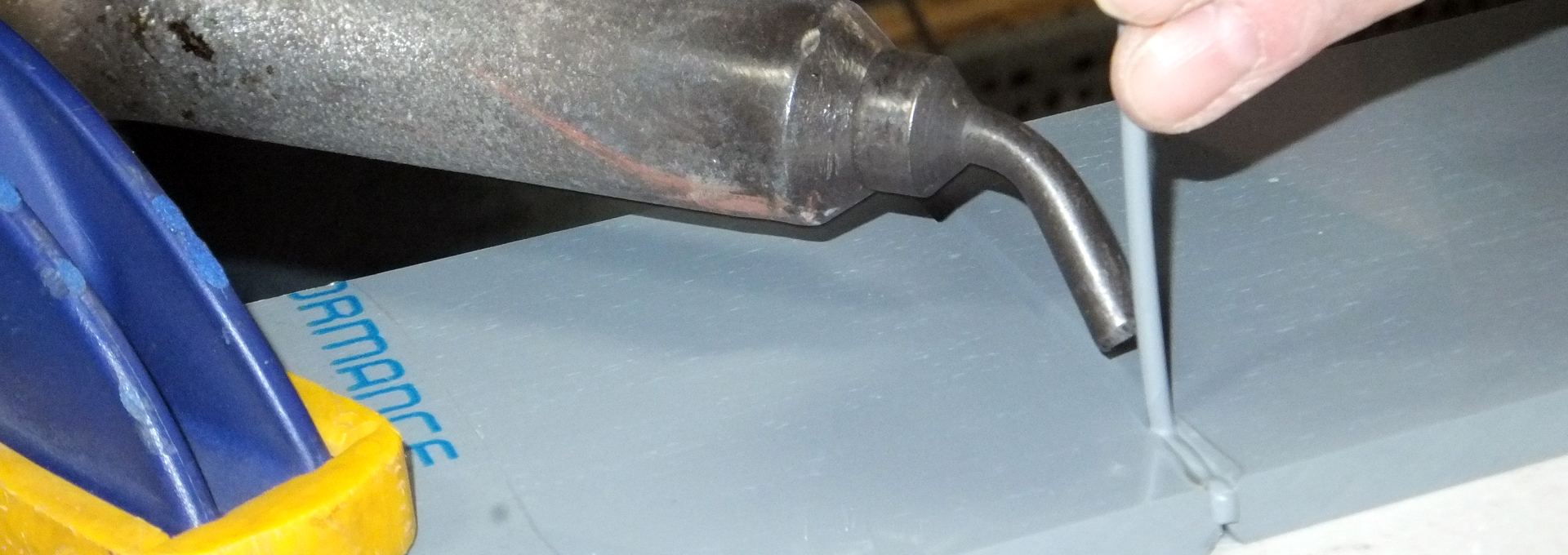
Plastic Welding
Hot-air and extrusion welding can be used to join polypropylene components. The appropriate welding process depends on the part, material thickness, joint design, required strength, and application.
For tanks and containment structures, weld design and execution are particularly important because the finished assembly needs to perform as a complete structure, not simply as individual pieces of sheet.
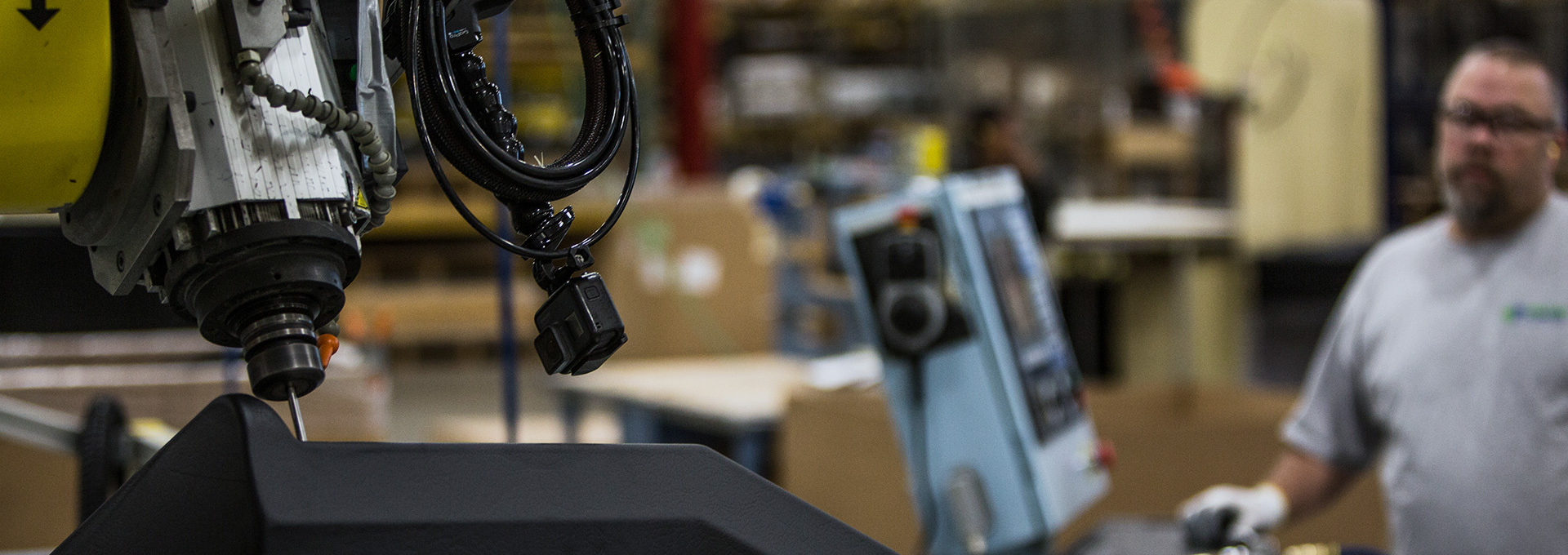
CNC Routing and Machining
CNC routing can produce openings, fitting locations, mounting features, and precise profiles. Polypropylene's machining characteristics need to be considered during tool and process selection. Excessive heat can affect cut quality.
The feed rate, tool revolutions per minute and tool geometry must be controlled to avoid melting or rough edges.
Midland runs both 3-axis and 5-axis CNC routing. See when 5-axis routing matters for complex parts.

Heat Bending
Heat bending can create angled polypropylene components without requiring a dedicated forming mold for every geometry. This can be useful for prototypes, custom components, and certain lower-volume applications.
Heat bending can induce stress when not heated and cooled correctly. The ends of the heat bend will shrink inwards during the cooling process. This needs to be taken into design consideration or be trimmed after bending.
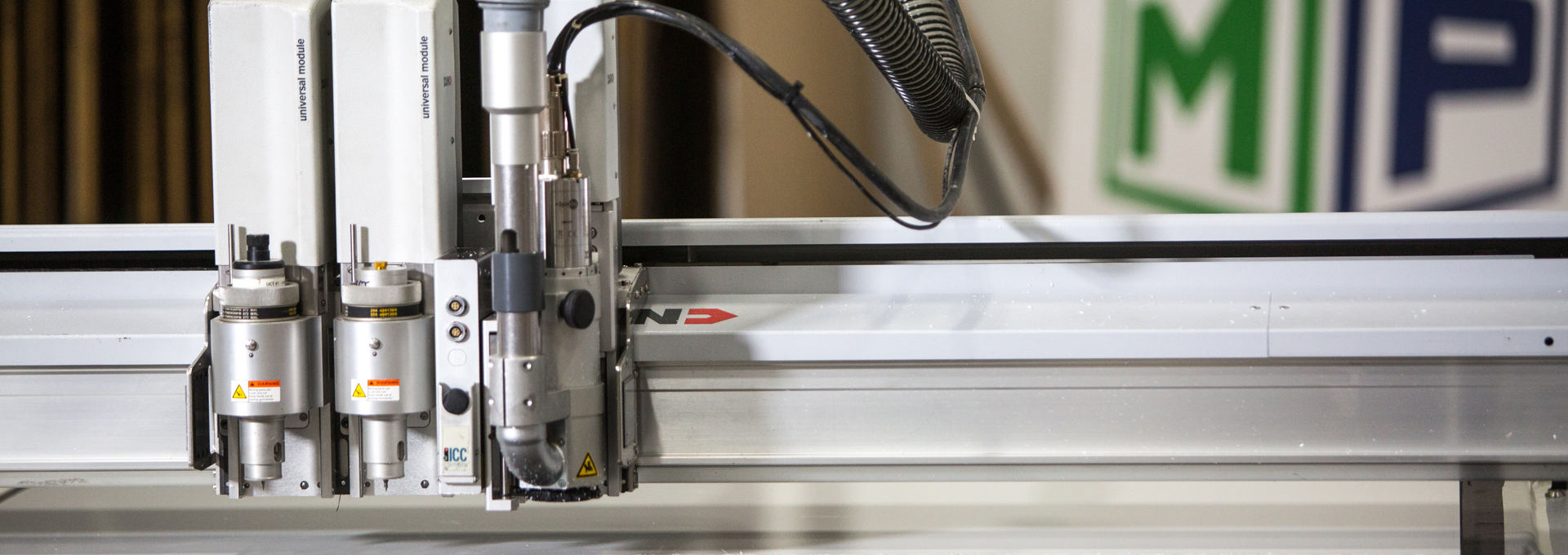
Die Cutting
For flat components such as gaskets, liners, pads, and other repeatable shapes, die cutting can provide an efficient production method at appropriate volumes up to .060” thick.

Polypropylene in Water and Wastewater Treatment
Water and wastewater applications are particularly well suited to polypropylene's combination of moisture resistance, chemical resistance, and fabricability. Fabricated components may include liners, baffles, containment systems, equipment components, guards, and other parts exposed to water or treatment processes.
However, chemical compatibility should always be evaluated against the actual substance, concentration, temperature, and exposure conditions rather than assuming that every polypropylene grade is suitable for every treatment chemical.
From Polypropylene Sheet to a Finished Assembly
Midland Plastics supplies polypropylene sheet and provides in-house fabrication capabilities including plastic welding, 3 and 5-axis CNC routing and machining, heat bending, die cutting, and other custom fabrication services.
For tanks, liners, enclosures, containment systems, and OEM components, involving the fabricator during material and design decisions can help identify issues involving grade, thickness, support, joint design, and manufacturability before production begins.
If you are designing a polypropylene component or evaluating whether an existing metal part could be converted to plastic, request a quote and provide Midland with your drawings, operating environment, chemical exposure, temperatures, quantities, and other application requirements.
Frequently Asked Questions
FAQs | Thermoforming vs Injection Molding
These are the questions engineers and buyers most commonly ask when evaluating thermoforming versus injection molding. Where relevant, we’ve linked to related pages on the Midland site.
Polypropylene sheets are used for tanks, liners, secondary containment, baffles, water and wastewater equipment, chemical-processing components, ductwork, food-processing equipment, guards, enclosures, and custom fabricated industrial parts.
Polypropylene is resistant to many chemicals, but compatibility depends on the chemical, concentration, temperature, material grade, and duration of exposure. Chemical compatibility should be confirmed for the specific application.
Certain polypropylene grades are used in food-contact applications because the material is non-porous and does not absorb moisture. Let Midland Plastics help you decide on the appropriate grade for your application.
Yes. Polypropylene is a weldable thermoplastic. Hot-air and extrusion welding can be used depending on the material thickness, joint, part design, and application.
Both materials can provide chemical resistance, but neither is universally better. The correct choice depends on the specific chemical exposure, temperature, structural requirements, fabrication method, and operating environment.
In some applications, yes. Polypropylene can be considered when corrosion, chemical exposure, moisture, weight, or other application requirements favor plastic. Structural loads, temperature, chemical compatibility, support requirements, and expected service conditions should be evaluated before converting a metal component to plastic.
Yes. Midland fabricates custom polypropylene components for water and wastewater applications, with capabilities including CNC routing, thermoforming, machining, bending, welding, and assembly.
Midland offers 3-axis and 5-axis CNC routing and machining capabilities for custom plastic components. The appropriate equipment and process depend on the geometry, size, tolerances, and production requirements of the part.
Potential reasons include corrosion resistance, chemical compatibility, weight reduction, and simplifying certain fabricated assemblies. The advantages depend on the application, and not every metal component is a good candidate for conversion.
Submit your drawings, material requirements, quantities, operating conditions, and other project specifications through Midland Plastics' Request a Quote form. The fabrication team can help evaluate material grade, thickness, welding, machining, and other manufacturing requirements.
Ready to discuss your project?
Contact Midland Plastics to talk through material selection, fabrication method, tolerances, and lead time. Reach out at 833-372-3113 and let’s discuss your project.
About the Author
Terry Stephens
Director of Sales & Technical Support
Terry has more than 37 years of managerial experience in the plastics industry. Since joining Midland Plastics in 2000, he has held process, operations and leadership roles, with hands-on experience in thermoforming, injection and blow molding, machining and fabrication. Today he helps engineers, manufacturers and procurement teams choose the right materials and processes for their applications.