
The Custom Plastic Parts You’ll Find Inside AI Data Centers
 September 15, 2026

When people talk about AI data centers, most of the attention goes to GPUs, power demand and cooling. The less glamorous components rarely get mentioned. Plastic is one of them.
Walk through a data center, and you may find clear containment doors, cable raceways, blanking panels, mounting plates, inspection windows, equipment guards, cooling defectors, and electrical barriers. They are not the components driving AI workloads, but they can play an important role in keeping equipment organized, protected and operating as intended.
For OEMs, infrastructure suppliers, & contractors, many of these plastic components also need to be made for a specific rack design, enclosure or installation. That is where custom plastic fabrication comes in.
Why Use Plastic in Data Center Equipment?
Plastic is used in data center applications for several practical reasons.
Many plastics are electrically insulating, which makes them useful around electrical and electronic equipment. Plastic components can also weigh considerably less than comparable metal parts, making larger panels, covers and doors easier to handle during installation or replacement.
Plastic also gives engineers a great deal of flexibility. Sheet materials can be cut and routed. Components can be CNC machined. Larger covers and panels can be thermoformed. Custom profiles can be extruded for applications such as cable and air management. And unlike metal, plastic will not corrode.
Material selection still matters. Impact resistance, temperature, flame requirements, static control, chemical exposure and cleaning procedures all need to be considered before specifying a material.
Where Fabricated Plastic Shows Up in Data Centers

Hot and Cold Aisle Containment
Containment systems separate hot exhaust air from cooled supply air so the cooling system does not have to work against unnecessary air mixing.
Clear plastic is often useful here because technicians can see into the contained aisle without opening doors or removing panels.
Depending on the design, polycarbonate, acrylic or PETG may be considered for:
- Doors
- Roof panels
- Side panels
- Baffles
- Windows
- Clear barriers
A relatively flat panel with openings or mounting holes may be CNC routed from sheet. A larger panel with bends, curves or more complex geometry may be better suited for thermoforming.
The right answer depends on the design, quantity and performance requirements.

Cable Management Components
A data center can contain an enormous amount of cabling, and off-the-shelf cable management products do not fit every installation.
Custom plastic components may include raceways, raceway covers, cable guides, pass-through plates, grommet blocks and strain-relief panels.
For repeat applications requiring a consistent profile, custom plastic extrusion may also be an option.
This is especially useful when a standard raceway is almost right, but the dimensions, mounting method or cable capacity do not match the equipment being built.
Rack and Enclosure Components
Not every component inside a rack needs to be metal.
Depending on the application, fabricated plastic may be used for:
- Blanking panels
- Side panels
- Doors
- Interior dividers
- Equipment mounting panels
- Insulating barriers
- Standoffs
- Covers
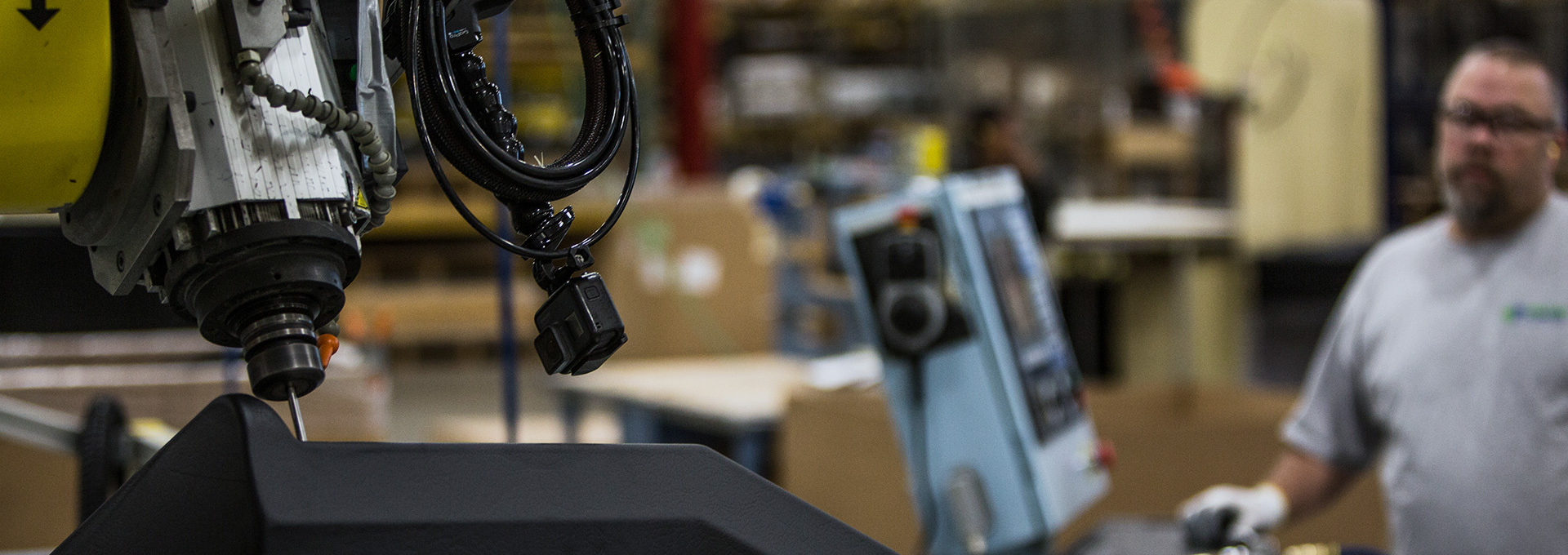
CNC machining can be especially useful when you need to repeat the same hole patterns, cutouts or mounting features from part to part.
For an OEM producing multiple racks or enclosures, that repeatability can matter just as much as the material itself.
Inspection Windows, Guards and Barriers
Technicians sometimes need to inspect equipment without opening an enclosure or getting close to operating components.
Clear acrylic or polycarbonate can be fabricated into observation windows, machine guards and protective barriers.
The right material depends on what the part needs to withstand. Acrylic is known for excellent clarity and rigidity. Polycarbonate is generally chosen when greater impact resistance is needed.
Polycarbonate, Acrylic, PETG or ABS?
There is no universal “data center plastic.” Material should be selected around the actual part.
| Material | Why It May Be Used | Keep in Mind |
|---|---|---|
| Polycarbonate | Clear with very high impact strength. Often considered for doors, guards and observation windows. | Scratches more easily than acrylic. |
| Acrylic | Excellent optical clarity, good rigidity and attractive finished edges. | Less impact resistant than polycarbonate and can crack under a hard impact. |
| PETG | Clear, tough and well suited to thermoforming. Useful for formed covers and panels. | Softer than acrylic and can scratch. |
| ABS | Tough, machinable and formable. A practical option for opaque housings, covers and panels. | Opaque, so it is not suitable where visibility is required. |
If you are deciding between clear materials, see our guides to acrylic vs. polycarbonate and PETG vs. acrylic for a closer look at the differences.
How the Part Is Made Matters Too
Choosing the material is only half of the decision.
The geometry, quantity, tolerances and finished appearance of the part help determine how it should be produced.
- CNC machining and routing work well for precise holes, cutouts, mounting patterns and machined components.
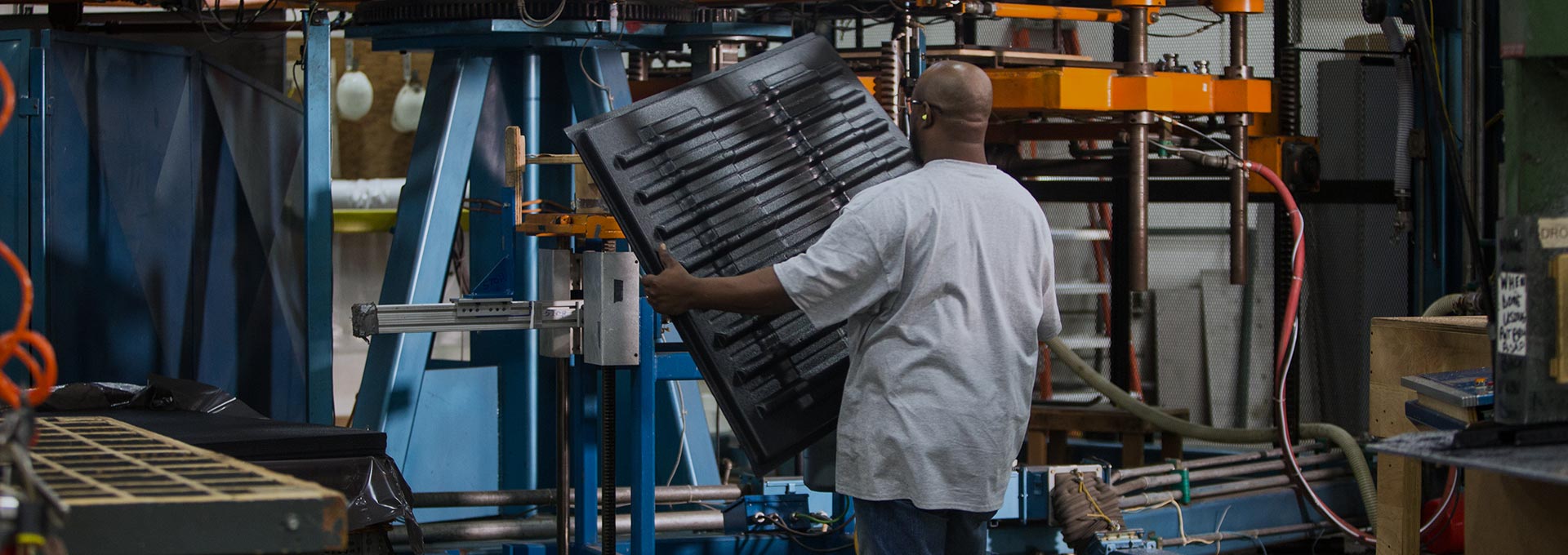
- Thermoforming can be a better choice for larger covers, housings and shaped panels.
- Custom extrusion makes sense when the application requires a continuous profile produced repeatedly in longer lengths or larger quantities.
Some data center components may also be candidates for conversion from metal to plastic, particularly where lower weight, electrical insulation or corrosion resistance provides an advantage.
If you are evaluating manufacturing options, Midland Plastics can help determine whether machining, thermoforming, extrusion or another fabrication process makes the most sense for the part.
One Detail Worth Discussing Early: Flame Requirements
Do not wait until the part is already designed to discuss flame-performance requirements.
Flame-retardant grades are available in certain plastics, and some applications may specify a UL 94 classification. The required rating can affect material availability, thickness, cost and fabrication options.
If your drawing or project specification includes a flame rating, electrical requirement or other material standard, include it when requesting a quote.
Midland Expert Insight
Large Clear Panels: Account for Vibration
What specification mistake does Midland see most often on large clear panels, doors or enclosures?
An often-made mistake in selecting materials and thicknesses for large clear flat panels is not taking into account the relationship between vibration and thickness of the material. A large panel can resonate if there is vibration from cooling or other operations. A more rigid sheet such as acrylic resists this more at a thinner gauge than polycarbonate. The tradeoff is rigidity and abrasion resistance versus impact. Whether it is a panel or a door, all stages of functionality, sound, impact, and abrasion resistance need to be assessed.
Panels Across Many Racks: Plan for Tolerance Stack-Up
Are there tolerance or mounting details customers should consider when the same panel will be installed across dozens or hundreds of racks?
Repeatable plastic panels can be made using 3 and 5-axis CNC routers. Keep in mind that if commercial multipart assemblies are bridged, the loose tolerances used to ease assembly are going to add up across multiple units. Design in slots or oversized holes into the bridged plastic parts to accommodate these variations.
Flame-Retardant and Static-Control Materials: Ask Early
What flame-retardant or static-control materials can Midland source?
Flame retardancy or different levels of static control or conductance can be obtained from many materials. If time is critical, discuss these points up front as certain materials and gauges will take considerably more time to acquire.
What to Send With a Data Center Plastic Fabrication RFQ
You do not need a perfect production drawing before starting a conversation, but the more Midland knows about the application, the easier it is to recommend the right material and fabrication method.
Helpful information includes:
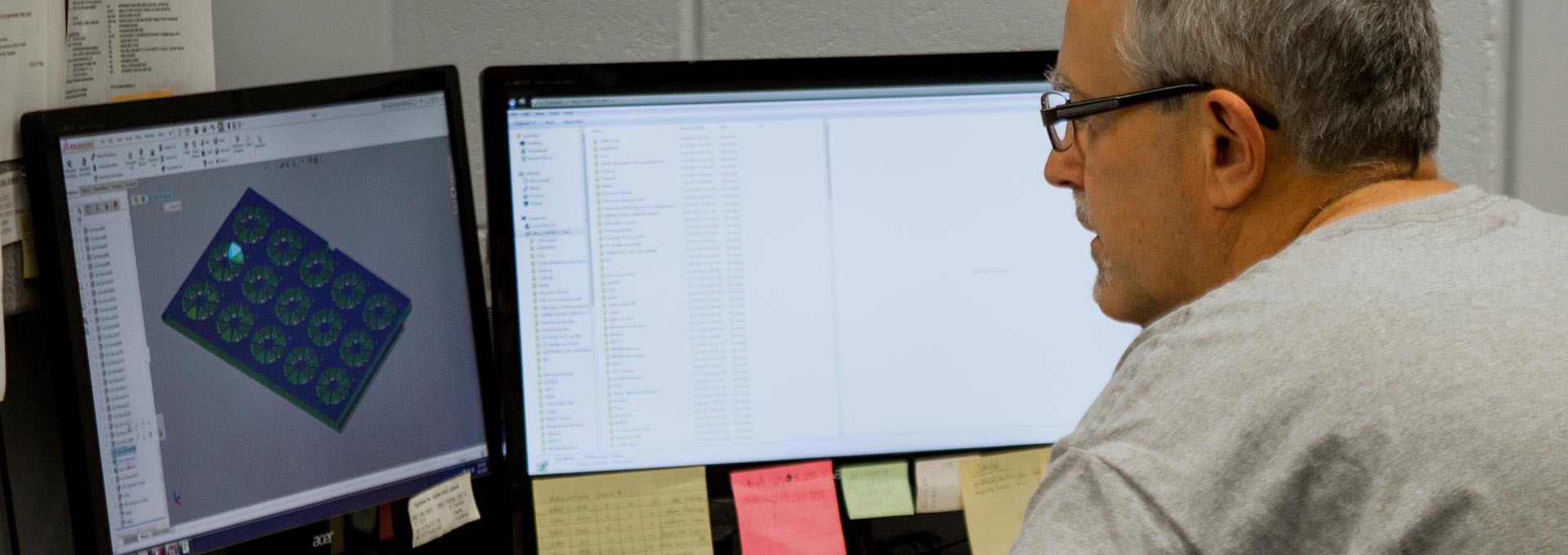
- CAD files, drawings, sketches or dimensions
- Estimated quantity
- Expected repeat-order volume
- How and where the part will be installed
- Operating temperature
- Airflow considerations
- Cleaning chemicals or procedures
- Flame-rating requirements
- Static-control or electrical requirements
- Clear or opaque material preference
- Color requirements
- Edge or surface finish
- Target installation or production date
If you are replacing an existing metal or plastic component, sending the existing part, photos or drawings can also help.
Frequently Asked Questions
FAQs | Plastics in Data Centers
Polycarbonate, acrylic, PETG and ABS can be used for components such as panels, windows, doors, guards and housings. Other plastics may be appropriate depending on the application. Material selection should account for impact, temperature, flame requirements, electrical properties and the way the part will be fabricated.
Neither is automatically better. Polycarbonate provides significantly greater impact resistance, while acrylic offers excellent clarity, rigidity and surface appearance. The best choice depends on the design and the conditions the panel or door will experience. View acrylic vs. polycarbonate for more info.
Flame-retardant grades are available for certain plastics, including materials offered in specific UL 94 classifications. The required classification should be identified early because it can affect material selection and availability.
Sometimes. Panels, guards, covers, barriers, standoffs and other components may be candidates for metal-to-plastic conversion when reduced weight, electrical insulation or corrosion resistance is beneficial. Midland can review the application to determine whether plastic is appropriate.
Yes. Midland Plastics provides custom plastic machining, thermoforming, extrusion and additional fabrication capabilities for OEM and industrial applications. Parts can be manufactured from customer drawings, files, and specifications.
If you are designing, building or retrofitting data center infrastructure, Midland Plastics can help with custom plastic components made to your specifications.
Send us your drawing, CAD file or part requirements through our Request a Quote form, and our fabrication team can help determine the right material and manufacturing process for the application.
Ready to discuss your project?
Contact Midland Plastics to talk through material selection, fabrication method, tolerances, and lead time. Reach out at 833-372-3113 and let’s discuss your project.
About the Author
Terry Stephens
Director of Sales & Technical Support
Terry has more than 37 years of managerial experience in the plastics industry. Since joining Midland Plastics in 2000, he has held process, operations and leadership roles, with hands-on experience in thermoforming, injection and blow molding, machining and fabrication. Today he helps engineers, manufacturers and procurement teams choose the right materials and processes for their applications.