Acrylic vs. Polycarbonate: When Each Makes Sense in Custom Fabrication
 February 12, 2026
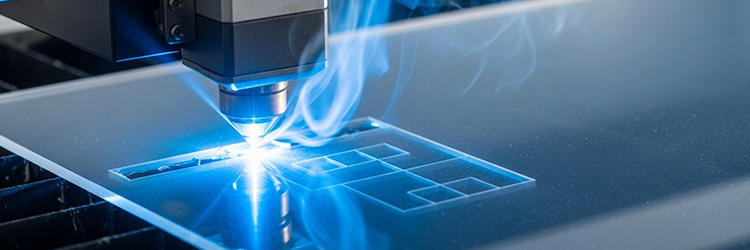
If you're designing a machine guard, equipment enclosure, viewing panel, or protective cover, there’s a good chance you’ve asked, “Should this be acrylic or polycarbonate?”
At first glance, both materials look similar, both are:
- Clear thermoplastics
- Machine well
- Can be fabricated into custom parts
But in practice, they perform very differently. The right choice doesn’t depend on theory, but more on the environment, risk, and how the part will be used.

When is Acrylic the Smarter Choice?
Acrylic often makes the most sense when:
- Visual clarity matters
- The environment is controlled
- Impact exposure is low
- Cost is important
- Abrasion resistance is needed
In addition to its benefits, acrylic offers outstanding light transmission and a harder surface than polycarbonate, which enhances scratch resistance.
It also boasts an exceptional flame-polish finish, making it perfect for visible or customer-facing pieces. When visual clarity and cost-efficiency are most important, engineers often request acrylic sheet materials.
Common fabricated acrylic parts include:
- Light diffusers
- Retail and display panels
- Protective barriers
- Low-impact environment equipment covers
But acrylic isn’t perfect. It struggles with impact and is more brittle than polycarbonate. Cracking the panel becomes a risk when tools, debris, or operator interaction could come into contact with it.

When is Polycarbonate the Better Plan?
If safety and durability are priorities for your project, then polycarbonate may be your best bet.
It offers significantly higher impact resistance than acrylic. Reviewing polycarbonate sheet options early in the design phase is a good idea. It helps make the material thickness and grade match the application.
Commonly, polycarbonate is used for:
- Machine guards
- Industrial safety shields
- Equipment enclosures
- Protective panels near moving parts
Polycarbonate is tougher under pressure, withstands vibrations, and performs better in high-temperature environments.
That said, polycarbonate is softer on the surface and scratches more easily. It’s also more expensive. If impact strength is not needed, working with polycarbonate can add cost without adding value.
Overlooked Fabrication Considerations
Selecting the right material for your job affects more than just performance. It also changes how the part is produced.
Both acrylic and polycarbonate can be:
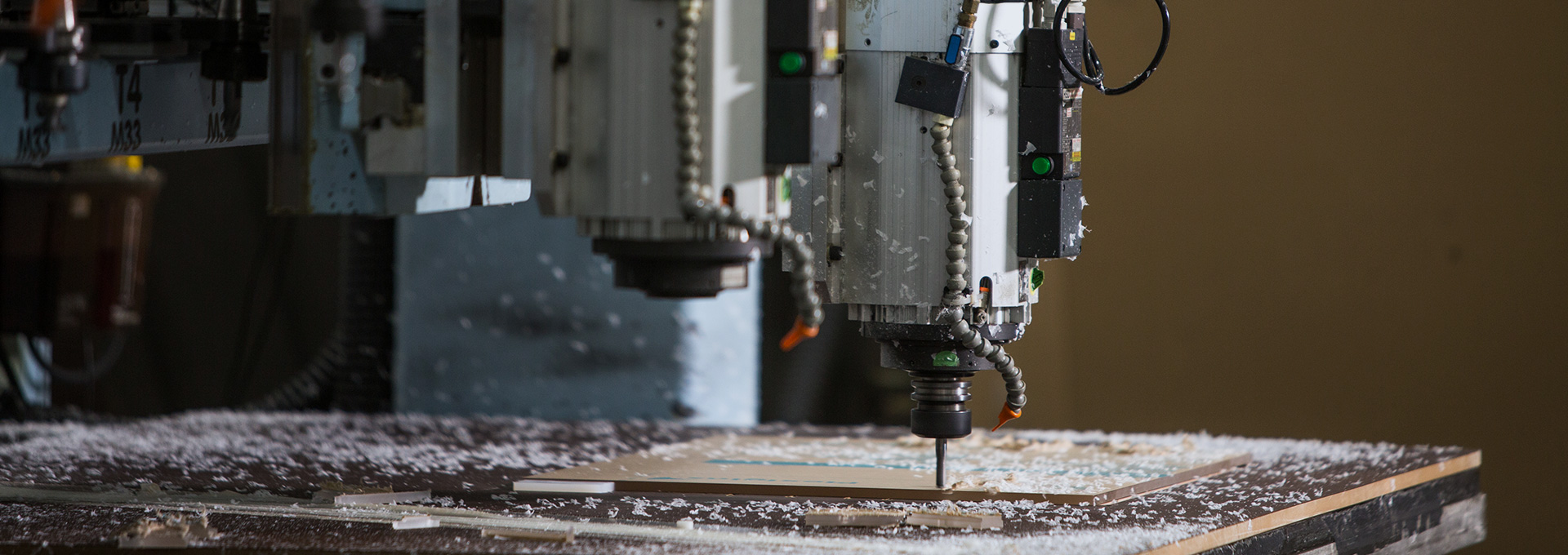
- CNC Routed
- Saw Cut
- Drilled
- Heat-Bent
- Thermoformed (for larger components)
But…
If your cutting tools aren’t sharp, acrylics can chip. Polycarbonate is more forgiving under impact but may require adjusted feed rates for better flexibility in machined finish. When figuring out production, these differences matter.
Choosing correctly between acrylic and polycarbonate early on reduces scrap, speeds up production, and results in fewer revisions.
The Decision Boils Down to Risk
The goal is to figure out the right material for real-world conditions, not necessarily the strongest material.
Acrylic, as a rule, is the way to go for:
- Visibility
- Light transmission
- Budget constraints
- Controlled environments
Polycarbonate is, in general, the better choice when it comes to:
- Human safety
- Repeated impact
- Moving equipment
- Elevated heat
Materials + Fabrication = The Big Picture
Material selection and fabrication planning are processes that should go hand in hand. Reviewing the full scope of custom plastic fabrication services early in the project helps prevent unnecessary revisions later. How a sheet is cut, drilled, heat-bent, or thermoformed drives performance, durability, and long-term results.
Choosing between acrylic and polycarbonate isn’t just about strength or clarity. It’s about how the finished part will function in its intended environment. When material selection and fabrication are considered together early in the project, timelines stay in line, revisions are fewer, and expensive revisions are a thing of the past.
For more than 80 years, Midland Plastics has been one of the largest suppliers of performance plastics and custom plastic fabrication in the Midwest. Our expertise in custom manufacturing and fabrication helps us serve our customers with CNC sawing and machining, fabrication, thermoforming, and custom extrusions.
Do you have a plastics project on the horizon?
Reach out and tell us about it, ask any questions, and request a quote. Our team of experts will take a look and contact you to talk plastics!