
How Thermoforming Turns Flat Plastic Sheets into Industrial Housings
 April 22, 2026
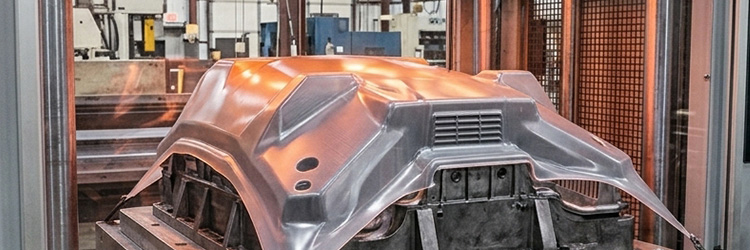
Thermoforming. From Flat to Fabulous
Like a painter with a blank canvas, many industrial components begin as flat plastic sheets, ready to be turned into functional, high-performance parts. This is all thanks to the thermoforming process. It turns that flat sheet into a durable equipment housing or protective enclosure.
For Original Equipment Manufacturers (OEMs) and equipment designers, thermoforming offers a cost-effective way to produce large, lightweight, durable plastic housings.
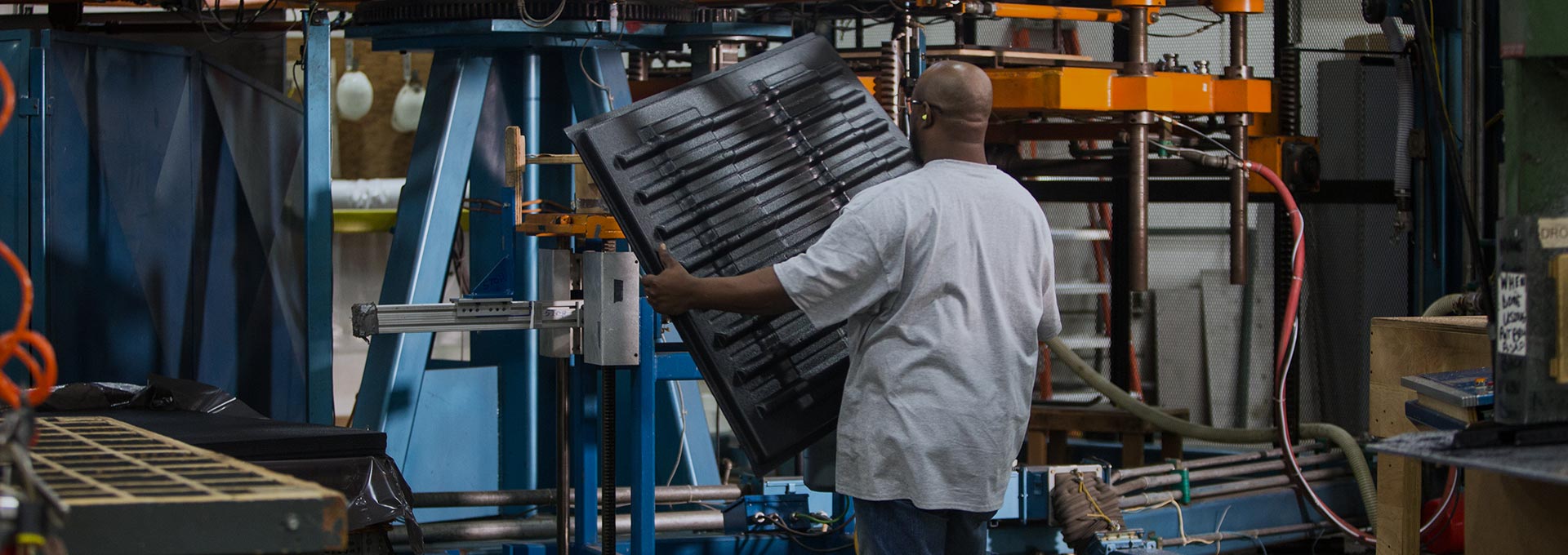
What Is Thermoforming?
Thermoforming is a manufacturing process where a plastic sheet is heated until it becomes pliable, then formed over a mold using suction or pressure.
Once formed and cooled, the part takes on the mold's shape, and it can then be trimmed, machined, and finished to meet final requirements.
Thermoforming works well for:
- Larger parts
- Low to mid-volume production
- Structural housings
- Equipment covers
- Protective enclosures
Why Thermoforming is Ideal for Industrial Housings
Industrial housings have a job to do, they must:
- Protect internal components
- Withstand impact and vibration
- Resist environmental exposure
- Maintain shape, size, and measurements in different conditions
Thermoforming lets designers incorporate these functional needs directly in the part's shape. Because of this, many OEM applications benefit from a balance of durability and cost, making thermoforming the practical choice.
From Sheet to Finished Housing
The thermoforming process usually looks like this:
- Material Selection
Sheet material is selected based on strength, temperature resistance, and environmental exposure.
- Heating
The plastic sheet is heated until it becomes bendable.
- Forming
It’s then placed over a vacuum or put under pressure. The sheet is pulled against the mold to create the desired shape.
- Cooling and Stabilizing
The formed part then cools and hardens.
- CNC Trimming and Finishing
Excess material is trimmed, holes are machined, and edges are finished to meet allowable deviations.
The Thermoforming Advantages Are Many
Compared to injection molding, thermoforming often offers:
- Lower tooling costs
- Faster turnaround times
- Greater flexibility for design revisions
- Economical production for mid-volume runs
For large industrial housings, injection molds can be excessively expensive, but thermoforming tooling is usually more cost-effective (especially during product development and early production).

What’s Commonly Produced Through Thermoforming?
Thermoformed plastic housings are normally used in:
- Equipment enclosures
- Medical device covers
- Machine housings
- Transportation panels
- Control panel enclosures
- Protective guards
Many of these parts begin as flat sheet materials before being shaped through the thermoforming process.
Design Considerations Deliver Durable Results
Sought-after thermoformed housings begin with a thoughtful design.
It should take into consideration:
- Wall thickness distribution
- Draft angles for mold release
- Structural reinforcement features
- Mounting and fastening points
- Environmental exposure conditions
Thermoforming is not just a forming process. It is a more inclusive approach to custom plastic fabrication services, including trimming, machining, assembly, and finishing.
When design and fabrication teams work together early in the project, production runs more smoothly, and the finished housing performs better.
When Thermoforming Makes the Most Sense
Thermoforming is often the right choice when:
- The part is large or structural
- Production volume is moderate
- Tooling cost needs to be controlled
- Design revisions are likely
- Weight reduction is important
For many industrial enclosures, it offers the right balance between strength, cost, and scalability.
Don’t Judge a Book by Its Cover
Flat plastic sheets may look plain, but through the thermoforming process, they become durable housings that protect equipment and improve a product’s lifespan.
When material selection, design shape, and fabrication planning are synced together, the result is a housing that performs reliably in the environments for which it was built.
FAQs | Plastic Thermoforming
Many are produced using thermoforming, which is a flat plastic sheet that’s heated, formed over a mold, cooled, and then trimmed to final dimensions. The result is a lightweight and durable enclosure.
Common materials include ABS, polycarbonate, HDPE, and other thermoplastics chosen for impact resistance, temperature performance, and environmental durability.
Yes. Thermoforming is especially effective for larger housings and panels where injection molding would require a significantly higher tooling investment.
Perfecting plastics for more than 80 years, Midland Plastics has remained at the cutting edge of performance plastics development and manufacturing, continuing to expand offerings and locations. Give us a call 888-372-3113 or contact us to learn more about how we can help with your plastics needs!
Interested in Thermoforming your next project?
Our team can help review and recommend the right solution. Reach out at 833-372-3113 and let’s discuss your project.