
Acrylic Sheet Uses & Custom Fabrication
 July 10, 2026

Acrylic Sheet Uses - Choosing the Right Acrylic for a Fabricated Part
Acrylic sheets show up in everything from equipment guards and displays to enclosures, windows, signage, and custom OEM components. But choosing acrylic for a fabricated part involves more than deciding that you need a clear plastic.
The type of acrylic, sheet thickness, finish, exposure conditions, fabrication method, and demands placed on the finished part can affect performance.
For engineers, OEMs, and buyers sourcing a custom plastic component, the better question is not simply, "Can this be made from acrylic?" It is, "Which acrylic sheet and fabrication approach make the most sense for this part?"
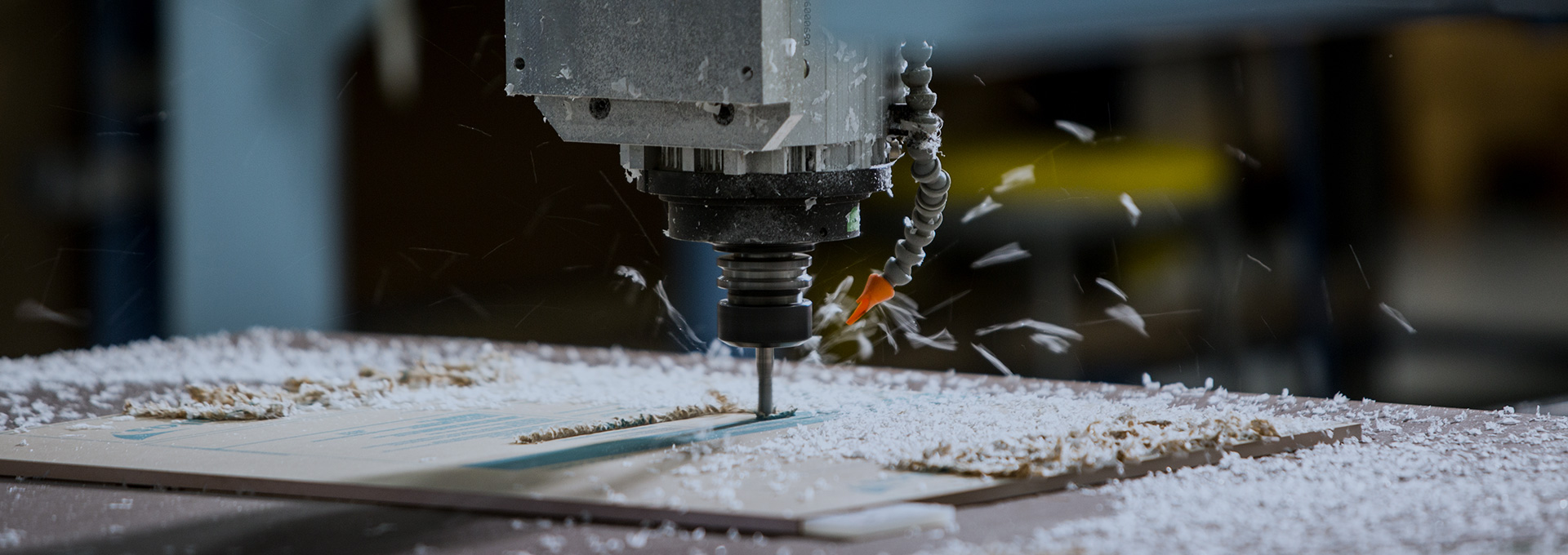
Midland Plastics operates 5-axis CNC routers at our New Berlin and De Pere, Wisconsin facilities, enabling us to machine complex plastic geometries that most regional fabricators cannot produce in a single setup.
What Are Acrylic Sheets Used For?

Acrylic is a transparent thermoplastic valued for optical clarity, weather resistance, appearance, and its ability to be machined and formed.
It is also commonly known by trade names such as Optix®, Plexiglas® and Lucite®.
Acrylic sheets are commonly used for:
- Machine guards and safety barriers
- Equipment windows and viewing panels
- Retail displays and point-of-purchase fixtures
- Display cases and exhibits
- Signage
- Skylights and glazing
- Equipment covers and enclosures
- Instrument panels
- Custom OEM components
- Lighting
The same material can perform very differently depending on how the finished part will be used. A stationary display panel, for example, has very different requirements than a fabricated equipment guard exposed to vibration, repeated handling, or impact. The material choice and the way the part will be fabricated need to be considered together.
When Is Acrylic a Good Material for Custom Fabrication?
Acrylic is particularly useful when appearance and visibility matter. Its optical properties make it well suited to parts where users need to see through the finished component. It is also available in clear, frosted, tinted, mirrored, and other specialty finishes, giving designers considerably more flexibility than a single clear-sheet option.
Acrylic can also be:
- CNC Routed and Machined
- Cut to custom shapes and sizes
- Drilled for mounting and assembly
- Heat bent
- Thermoformed
- Bonded
- Edge finished
- Polished
These capabilities allow a flat acrylic sheet to become a finished component designed around a particular piece of equipment or application.
Cast vs. Extruded Acrylic: Does It Matter?
Acrylic sheet is available in both cast and extruded forms, and the distinction can matter when the sheet will be fabricated. Rather than specifying acrylic based only on thickness and color, buyers should consider how the material will be machined, formed, bonded, or finished.
- Cast acrylic is used in applications where clarity is to be optimized. The reduced internal stresses of cast acrylic leads to greater chemical resistance, more stable bending, cleaner machining, and better clarity for solvent bonded seams than its extruded counterpart.
- Extruded acrylic is a better choice when cost and production times are critical.
It is worth making that distinction early, especially when the part will be machined, formed, bonded, or finished.
Clear, Tinted, Mirrored, and Specialty Acrylic
Clear acrylic is only one option. Depending on the application, acrylic sheets may be available in different colors, textures, transparency levels, and surface finishes. That makes acrylic useful not only as a glass substitute but also as a design material.
A transparent equipment window may prioritize visibility. A retail fixture may prioritize appearance and edge finish. A tinted or frosted enclosure may need to obscure internal components while still allowing light transmission.
Selecting the finish at the beginning of the project can eliminate unnecessary secondary operations later.
How Acrylic Sheet Thickness Affects the Finished Part
Thickness should not be chosen independently of the finished design. A larger unsupported panel may require a different thickness than a smaller panel using the same material. Mounting locations, expected loads, vibration, temperature, impact potential, and whether the sheet will be formed can also affect the decision.
For machine guards and equipment panels, the way the acrylic is supported can be just as important as the sheet itself. Going thicker is not always the answer. Panel size, support, mounting and the way the part will be used all matter.
A common mistake when mounting any plastic panel, acrylic more than others, is hard mounting it with tight tolerance holes. With the machine vibration and the Coefficient of Thermal Expansion and Contraction acrylic can easily start cracking around these mounting points. An oversized hole or slot and using soft or lightly torqued attachments is best.
How Acrylic Sheets Are Fabricated
CNC Routing and Machining
CNC equipment can cut precise shapes, holes, openings, and edge profiles into acrylic sheet. Parts with more complex geometry may require 5-axis CNC routing to reach multiple faces or compound angles efficiently.
Thermoforming
Acrylic sheet can be heated and formed to create curved or contoured covers, housings, and enclosures rather than assembling the component from multiple flat panels.
Heat Bending
Heat bending can create angles, returns, and folded profiles without requiring a dedicated forming mold, making it useful for certain custom and lower-volume parts.
Cutting & Finishing
Acrylic can be cut to size and its edges finished for applications where appearance matters. Polishing and other finishing operations can turn a machined edge into a cleaner finished surface.
Cast acrylic
Cast acrylic sheets need to reach a forming temperature of 350°F while extruded is 300°F. Cast acrylic can form a better visual quality sheet but resists forming details and deep draws as compared to extruded acrylic sheet. Design, optics, application, and costs all must be assessed and come into alignment before selecting the right type and grade of acrylic for your project.
When Acrylic Is Not the Right Plastic
Acrylic is versatile, but it is not automatically the best clear plastic for every application. When significant impact resistance is the primary requirement, polycarbonate may be a better option. For some formed guards and protective components, PETG may also offer chemical resistance advantages.
Acrylic, polycarbonate and PETG may all be clear sheet materials, but they are not interchangeable. A part's impact exposure, scratch resistance, appearance, forming requirements, chemical exposure, temperature, and expected service conditions should all factor into the decision.
For applications where the choice is not obvious, Midland can help compare material requirements before fabrication begins.
From Acrylic Sheet to a Custom Fabricated Component
The right acrylic starts with what the finished part needs to do. Midland Plastics supplies acrylic sheet and provides in-house fabrication capabilities, including:
Working with a supplier that understands both the raw material and the fabrication process can simplify material selection and help identify potential manufacturing issues before production begins.
If you have a drawing, existing component, prototype, or application in mind, request a quote from Midland Plastics to discuss the acrylic, thickness, finish, and fabrication process that fit the project.
Frequently Asked Questions
FAQs | Acrylic use & custom fabrication
Acrylic sheets are used for machine guards, equipment windows, signage, retail displays, protective barriers, glazing, enclosures, display cases, and custom fabricated OEM components. Their clarity, appearance, weather resistance, and fabrication versatility make them useful across many commercial and industrial applications.
Plexiglas® is a trade name associated with acrylic sheet. Acrylic itself is PMMA, or polymethyl methacrylate, and is available under multiple brand and trade names.
Both are acrylic sheet, but the manufacturing process can affect characteristics that matter during machining, forming, finishing, and fabrication. While extruded acrylic sheets can be more cost conscious and have reduced production times cast acrylic sheet’s inherent reduced internal stresses can produce higher quality parts, increased chemical resistance, and higher operating temperatures.
Acrylic can be heat bent or thermoformed when the appropriate material, temperature, equipment, and process are used. Attempting to bend acrylic without properly heating and supporting the material can lead to cracking or an inconsistent finished part.
There is no single thickness appropriate for every machine guard. Panel dimensions, mounting configuration, expected impact, vibration, equipment design, and other application requirements should be considered before specifying thickness.
It depends on the application. Acrylic is often selected when optical clarity, appearance, weatherability, and scratch resistance are priorities, while polycarbonate is commonly chosen when greater impact resistance and toughness are required.
PETG can be useful for fabricated components where formability and impact resistance are priorities. The better choice depends on the application's appearance, forming, durability, chemical exposure, and service requirements.
Yes. Midland Plastics supplies acrylic sheet and offers custom fabrication capabilities including CNC routing and machining, thermoforming, bending, cutting, and finishing.
Submit your drawings, specifications, quantities, and application requirements through Midland Plastics' Request a Quote form. The fabrication team can help evaluate material, thickness, finish, and manufacturing requirements before production.
Request a Quote
Ready to discuss your project?
Contact Midland Plastics to talk through material selection, fabrication method, tolerances, and lead time. Reach out at 833-372-3113 and let’s discuss your project.