From Acrylic Sheet to Finished Part: How Custom Plastic Fabrication Works
 January 12, 2026
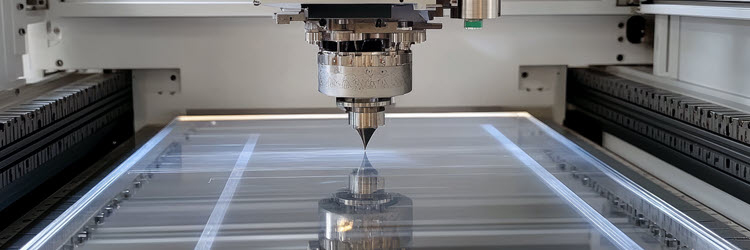
Most acrylic projects don’t start with fabrication. They start with a sheet. Someone needs a guard, cover, panel, or clear viewing window.
The quickest thought is usually, “Let’s grab an acrylic sheet and cut it down.” Sometimes that works. But in many manufacturing environments, that sheet is only the raw starting point. What actually ends up installed on equipment is something very different. It’s shaped. It’s drilled. It’s bent. It’s finished. It’s designed to fit. That transformation is where custom plastic fabrication comes in.
It Always Starts With the Application
Acrylic isn’t one-size-fits-all. Thickness matters. Clarity matters. Impact resistance matters. Is it near the heat? Chemicals? UV exposure?
Before anything is cut, the application must be understood. A simple protective barrier has different requirements than a machine enclosure that sees vibration or frequent cleaning.
Choosing the right sheet is not about picking what’s available. It’s about matching performance to environment.
Cutting Is the Easy Part
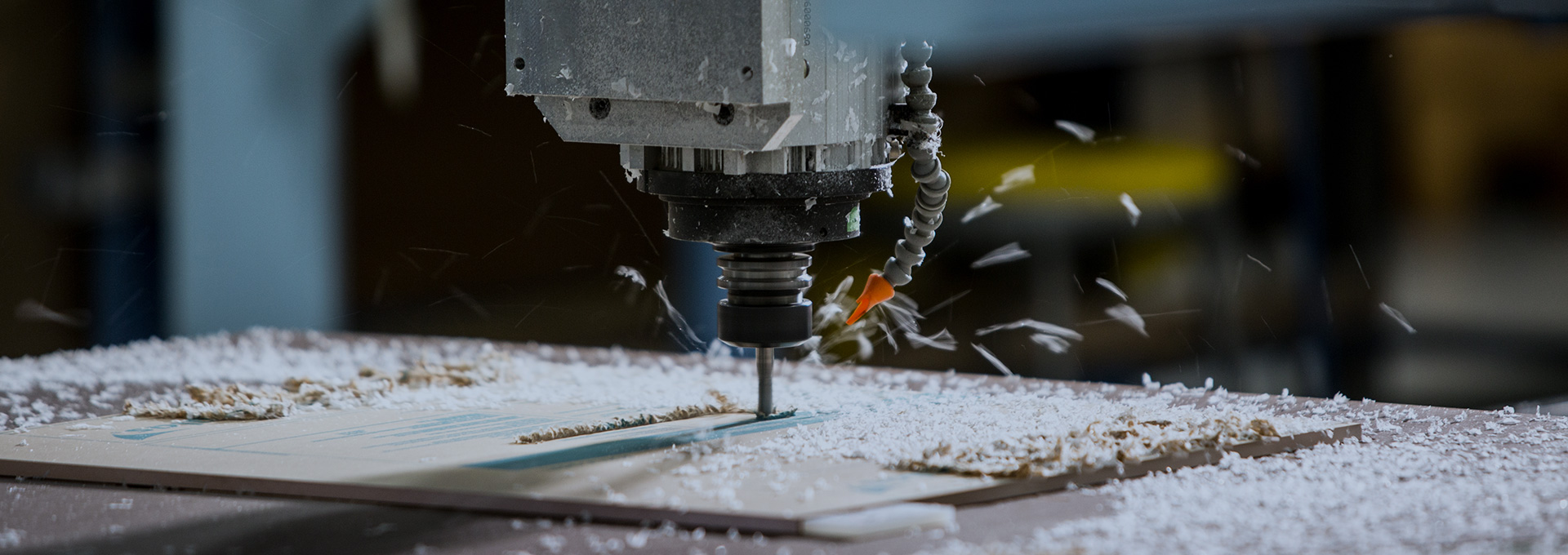
Turning a sheet into something usable usually begins with cutting it to size. CNC routers, saws, and lasers make that straightforward.
But cutting is rarely the end of the story. Acrylic used in real equipment often needs holes aligned perfectly with the mounting hardware. It may need slots for ventilation. It may need edges polished for safety or visibility. Once tolerances matter, precision matters too.
And that’s where fabrication separates itself from manual modification.
Flat Sheets Rarely Stay Flat
Very few industrial components are perfectly square rectangles.
Machine guards need bends to create rigidity. Enclosures need angles. Covers need curvature. Acrylic can be heated and formed into three-dimensional shapes, allowing a single piece to replace what might otherwise require multiple assembled panels.
Forming also improves strength. A bent edge isn’t just cosmetic. It can prevent flex and vibration over time.
This is often the moment when teams realize they are no longer “using a sheet.” They are manufacturing a part.
The Details Make the Difference
After forming, the part still isn’t finished.
Mounting holes have to line up. Edges may need polishing. Surfaces may need protection during shipping and installation. In some cases, the acrylic becomes part of a larger assembly that includes brackets, hinges, or hardware.
When fabrication is done correctly, the finished part arrives ready to install. No trimming on the floor. No re-drilling holes that don’t quite line up. No adjusting angles to make things fit.
That shift reduces labor and variability in ways that aren’t obvious when comparing material price alone.
Why Stock Sheets Sometimes Fall Short
Flat acrylic sheets absolutely have their place. For simple, one-off applications, they can work well.
But when production depends on consistency, repeatability becomes critical. Hand-modifying sheets introduces small variations. Over time, those variations turn into alignment issues, wasted time, or scrap.
Fabrication moves that precision upstream. Instead of adapting material during assembly, the material is designed around the application from the beginning.

Where Fabricated Acrylic Shows Up
You’ll see fabricated acrylic in places where clarity, protection, and precision all matter at the same time:
- Machine guards
- Equipment covers
- Viewing windows
- Light diffusers
- Protective barriers
- Custom enclosures
In each case, the value isn’t just in the acrylic. It’s in how the acrylic has been shaped and prepared to function reliably.
When It Makes Sense to Move Beyond the Sheet
The real question usually isn’t whether acrylic is the right material. It’s whether continuing to modify flat sheets is the most efficient way to get the part you actually need.
If teams are repeatedly cutting, drilling, adjusting, or reworking sheets to make them fit, that’s often the signal that fabrication should be considered.
Acrylic sheets are a raw material. Fabrication turns them into components designed for performance, consistency, and installation efficiency.
And that distinction matters far more than most buyers realize at the beginning.
Evaluating the Right Approach
The decision is rarely about whether acrylic is the right material. More often, it is about whether a flat sheet will meet the application's operational requirements.
When repeatability, precision, and efficiency matter, custom fabrication often provides a more reliable long-term solution.

When to Consider Custom Acrylic Fabrication
An acrylic sheet offers flexibility and versatility, but not every application is best served by using flat stock material alone. As requirements become more precise, as tolerances tighten, or as production volumes increase, fabrication often becomes the more reliable and efficient path forward.
Custom fabrication allows acrylic to be engineered around the application rather than modified during assembly. That shift can improve consistency, reduce labor, and create components that integrate seamlessly into production environments.
If you are evaluating an acrylic application and are unsure whether a stock sheet will meet long-term requirements, it is helpful to review the part design, tolerances, and production goals before committing to a material-only approach.
An early conversation with the Midland Plastics experts often prevents inefficiencies later.